Why Your Prenatal Isn’t Enough (And What Your Body Actually Needs for Pregnancy)
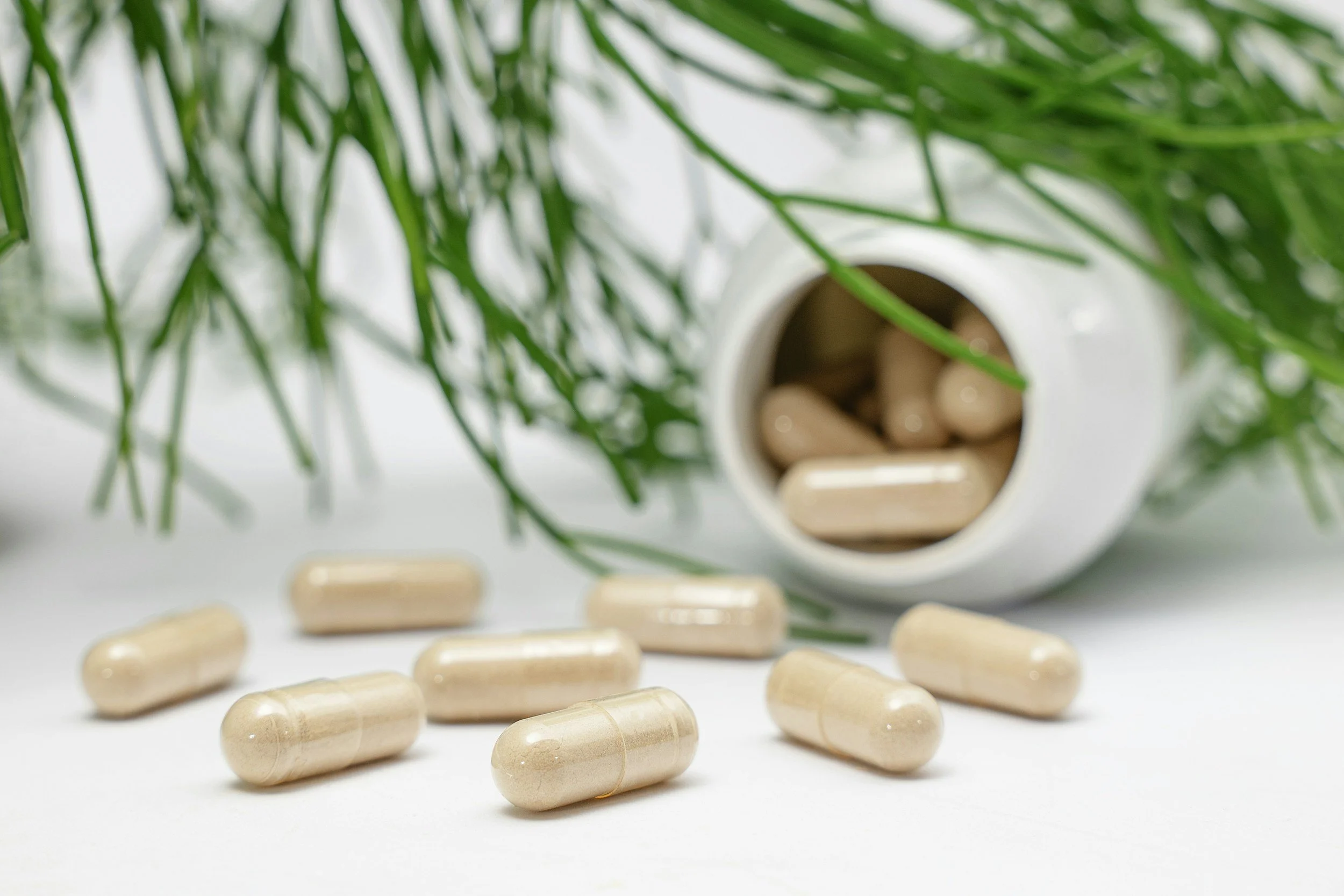
If you’re trying to conceive, already pregnant, or even postpartum…
you’ve probably been told to “just take a prenatal.”
And you’ve probably assumed that’s enough.
But here’s the truth:
It’s usually not.
Prenatal’s are often missing essential nutrients your body actually needs to support fertility, pregnancy, and recovery…
especially minerals.
Pregnancy Is Incredibly Demanding on Your Body
Pregnancy isn’t just about growing a baby.
It’s about building an entire human, from scratch, using your nutrient stores.
And when it comes to minerals, the demand is massive.
During pregnancy, you can lose up to 10% of your mineral stores (around 4 pounds) if they aren’t properly replenished.
Let that sink in.
And here’s the problem:
A prenatal alone cannot replenish minerals at the rate your body is using them.
So if you’re not getting enough through food and your supplements aren’t supporting you properly… you’re already starting from a deficit.
Why Prenatals Fall Short
1. They prioritize vitamins over minerals
Most prenatals are heavily focused on vitamins with very little attention given to minerals.
And even when minerals are included, they’re often in doses that are far too low to actually replenish what your body needs.
Minerals like calcium, magnesium, potassium, and zinc are critical in pregnancy.
But without the right balance of these minerals, your body struggles to support:
Hormones
Energy
Nervous system regulation
A healthy pregnancy overall
2. They don’t account for absorption
Not all supplements are created equal.
Many prenatals use forms of nutrients that are harder for your body to absorb.
And if you’re dealing with symptoms like:
Bloating
Gas
Constipation
Diarrhea
…your ability to absorb nutrients is already compromised.
So even if you’re taking a prenatal, you may not actually be using it.
3. They ignore your individual needs
Prenatals are designed for the mass market.
But your body is not “mass market.”
Your mineral needs are influenced by:
Your diet
Stress levels
Past deficiencies
Hormonal health
Digestive function
A one-size-fits-all approach will never correct the imbalances that are impacting your fertility, pregnancy, or postpartum recovery.
This is exactly why I’m such a strong believer in:
Testing, not guessing.
The Missing Piece: Minerals
Most women hear about nutrients like folate, vitamin D, and B12.
But minerals?
They’re barely talked about.
And yet—they’re foundational.
Minerals don’t just support your baby.
They determine how you feel during pregnancy.
Your energy.
Your mood.
Your sleep.
Your resilience.
Some of the Minerals That Matter Most (And What They Actually Do)
Magnesium
Magnesium is one of the most common deficiencies in pregnancy.
It plays a huge role in calming the nervous system and supporting deep, restorative sleep.
It can help:
Reduce nausea and morning sickness
Improve sleep quality
Support muscle relaxation (especially important during labor)
Lower risk of gestational diabetes and preeclampsia
Ease muscle cramps and restless legs
Calcium
Your baby needs calcium to build their skeletal system.
And if you’re not getting enough?
Your body will pull it from your bones.
Calcium also helps:
Prevent muscle cramps and aches
Regulate blood pressure
Support strong bones and teeth postpartum
Zinc
Zinc is essential for both immune and hormone health.
During pregnancy, it supports:
Fetal brain development
Immune function
Hormone balance (estrogen + progesterone)
Postpartum healing
Potassium
Potassium is one of the most overlooked minerals in pregnancy.
It plays a major role in:
Reducing swelling and water retention
Regulating blood pressure
Supporting hydration and electrolyte balance
Iron
Iron is crucial for energy, blood health, and oxygen delivery.
But here’s the issue:
The form of iron in most prenatals is hard to absorb and often causes constipation (which is already common in pregnancy).
Iron supports:
Preventing fatigue and anemia
Oxygen delivery to your baby
Postpartum healing and recovery
Why You Can’t Just “Supplement Your Way Out”
Here’s where this gets even more important:
Minerals don’t work in isolation.
They work together—both synergistically and antagonistically.
Which means:
Taking one mineral in isolation can actually throw off another.
This is why randomly supplementing (even with “good” supplements) can make things worse instead of better.
You need a strategy.
How to Know If Your Minerals Are Off
Your body is always communicating with you.
But most of us were never taught how to listen.
Signs your mineral stores may be depleted:
You’re struggling to conceive
You feel exhausted (even after 8 hours of sleep)
You had a difficult previous pregnancy or postpartum recovery
You’re dealing with constant symptoms (nausea, fatigue, anxiety, mood swings, overwhelm)
These aren’t just “normal pregnancy symptoms.”
They’re often signs your body is under-supported.
So What Should You Do Instead?
Stop guessing.
Start testing.
This is exactly why I use the hair tissue mineral analysis (HTMA) with everyone of my cleints.
Because you shouldn’t have to wonder:
Why you feel so exhausted
Why your symptoms feel so intense
Why your body doesn’t feel supported
This test looks at your individual mineral patterns so we can see:
What your body is actually deficient in
How those imbalances are creating your symptoms
What your body needs to feel supported through pregnancy and postpartum
Instead of throwing random supplements at the problem, you get a clear, personalized roadmap.
So you can:
Replenish your mineral stores intentionally
Support your energy, hormones, and nervous system
Have a pregnancy that feels supported—not depleting
Set yourself up for a smoother postpartum recovery
It’s Time to Stop Relying on a Prenatal Alone
A prenatal was never designed for your body.
And it was never meant to carry the full load of pregnancy.
If you’re ready to stop guessing and finally understand what your body actually needs…
HTMA testing is your next step.
Pregnancy doesn’t have to feel this hard.
With the right support, it gets to feel a whole lot easier.